

In folding carton and corrugated box production, manufacturers frequently encounter problems such as folding misalignment, uneven glue seams, poor box squareness, and inaccurate stitching positions. When these issues arise, the folder gluer or stitching machine is often the first equipment to be examined. However, final carton quality depends on more than the last production stage. It is influenced by die cutting, creasing, material characteristics, folding accuracy, and gluing or stitching processes.
High-quality carton production begins with precise upstream converting.
Die-Cutting Accuracy: The Foundation of Carton Formation
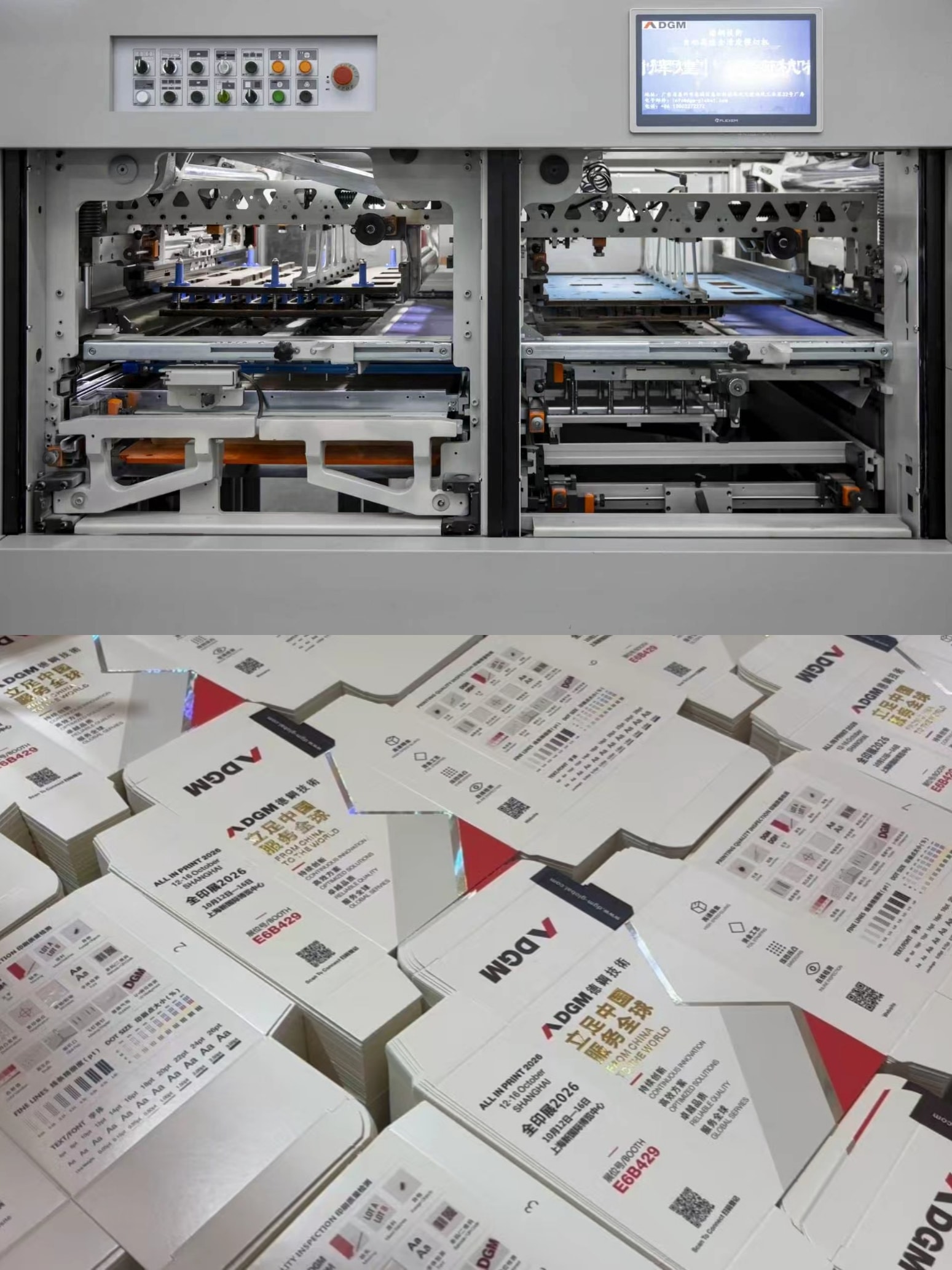
Die cutting determines the dimensions and structural accuracy of carton blanks. Inaccurate cutting dimensions, improper sheet registration, or tooling deviations can lead to folding misalignment, uneven glue flaps, and poor carton squareness, even when the folder gluer operates consistently. Stable feeding, precise registration, and accurate die cutting are therefore essential for achieving reliable downstream folding and gluing performance.
Creasing Quality: The Key to Accurate Folding
In corrugated packaging production, crease quality plays a critical role in determining how accurately a carton folds.Insufficient, uneven, or incorrectly positioned crease lines can increase folding resistance and cause the board to deviate from its intended folding path. Excessive creasing pressure, on the other hand, may damage the board structure, resulting in cracking or crushed corrugated flutes. Proper crease depth, position, and width help ensure that the board folds consistently along the intended lines. For certain corrugated applications, a secondary creasing process can help improve folding performance when the original crease definition is insufficient. However, it should complement rather than replace accurate upstream die cutting and creasing.
Stable Conveying and Precise Folding
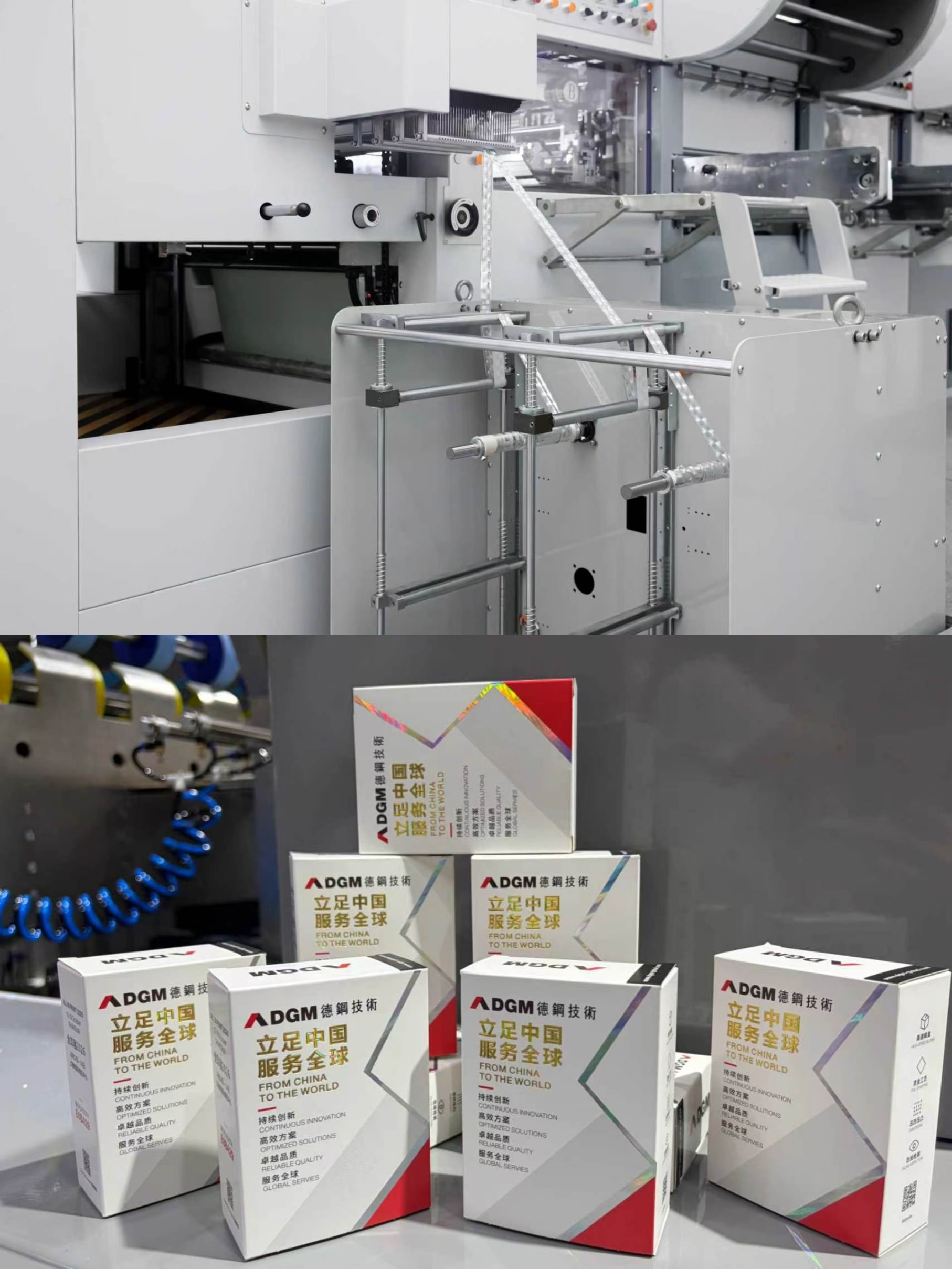
Once the carton blank enters the folder gluer, it passes through several stages, including feeding, registration, pre-folding, folding, and compression. Conveying stability, left and right folding speeds, belt pressure, and blank alignment all influence final carton quality. During high-speed production, even minor positioning deviations can result in uneven glue seams, skewed cartons, or inconsistent finished dimensions. Appropriate machine adjustments and stable drive control help maintain accurate folding throughout continuous operation.
Gluing and Stitching Accuracy: The Final Quality Check
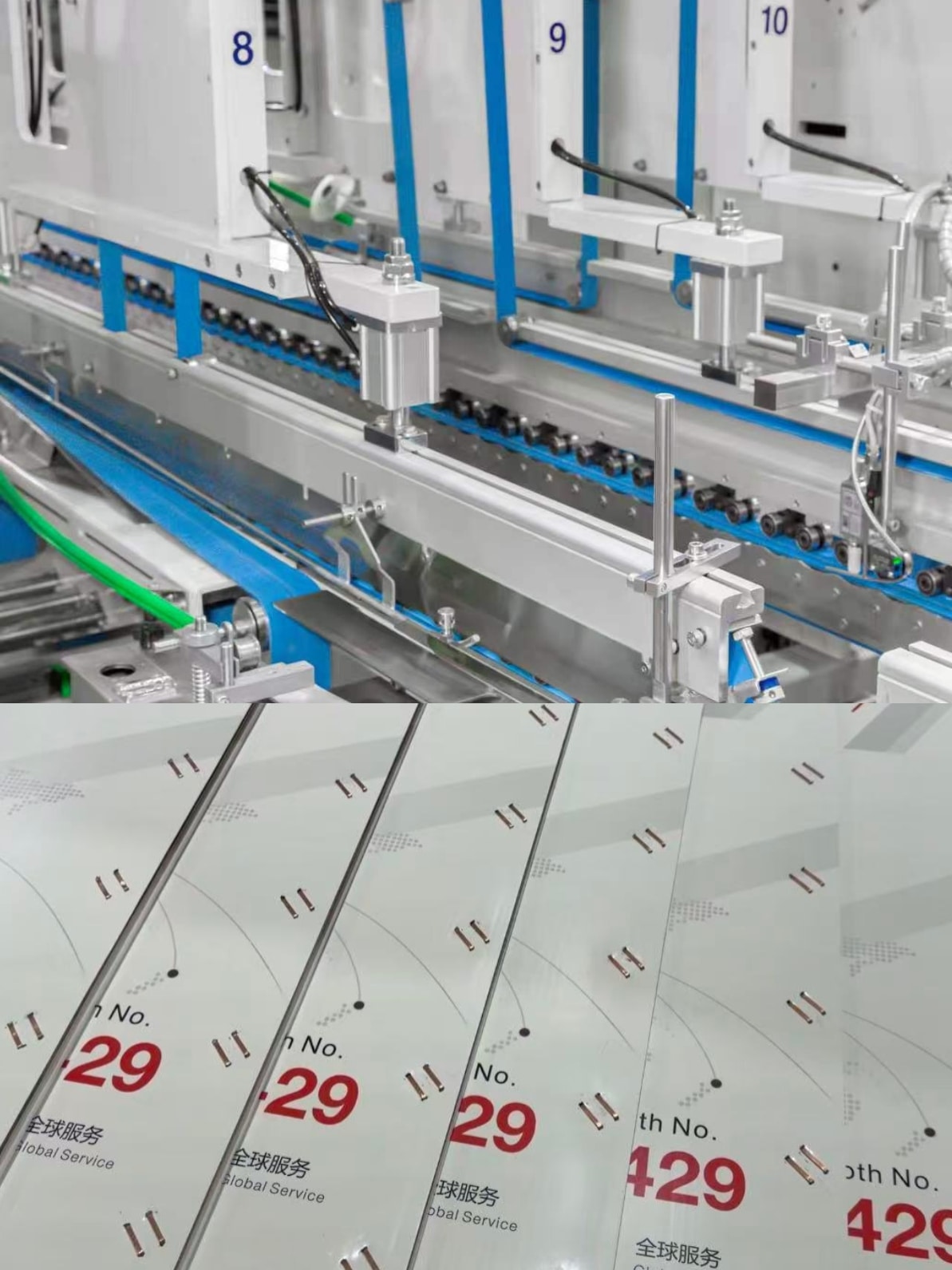
For glued cartons, adhesive placement, glue application volume, joint overlap, and compression conditions are essential for achieving reliable bonding. Uneven glue application or inaccurate joint alignment may lead to weak bonding, open seams, or inconsistent finished appearance. For corrugated boxes using stitching processes, stitch spacing, stitching position, joint overlap, and fastening quality must also be carefully controlled. Whether cartons are glued or stitched, accurate joint alignment and stable board handling are fundamental to consistent finished quality.
DGM: Understanding the Entire Post-Press Packaging Process
DGM provides die-cutting machines, folder gluers, foil stamping machines, laminating machines, and related packaging automation solutions.
With expertise across multiple post-press converting processes, DGM approaches production challenges from a broader perspective, considering die cutting, creasing, board handling, folding, and final gluing as interconnected stages.
By understanding how each process influences the next, DGM aims to help packaging manufacturers identify potential problems, optimize equipment configurations, and improve overall production consistency.
Reliable carton production requires more than high-performance machinery. It depends on accurate coordination throughout the converting process.
If you're facing similar challenges, feel free to contact us.
Post time: Nov-06-2026